Published Oct. 30, 2026
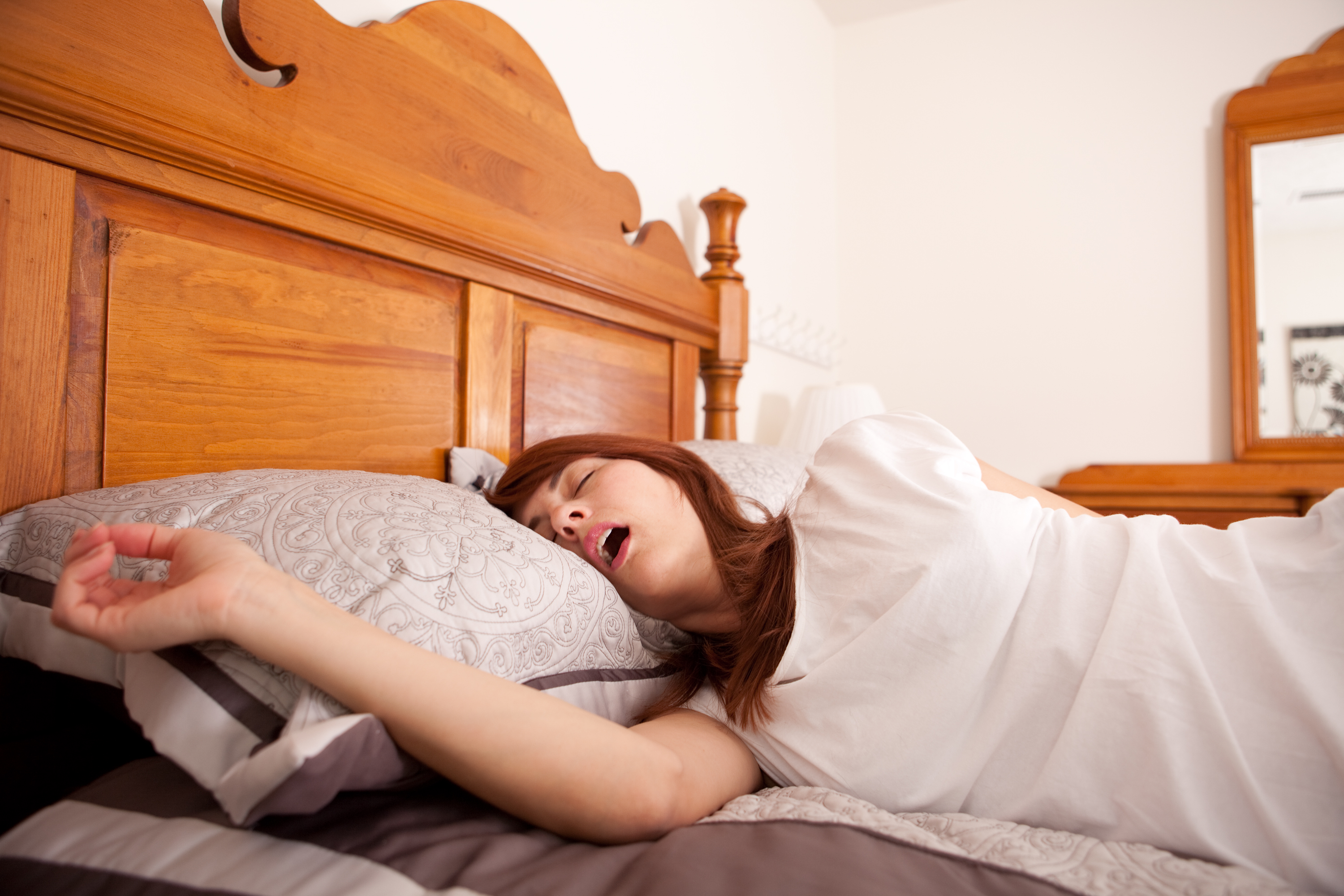
Loud snoring, waking up gasping, and feeling tired after a full night’s sleep can be signs of sleep apnea. This common sleep disorder causes breathing to repeatedly stop and restart during sleep, interrupting rest and sometimes lowering oxygen levels.
Understanding the symptoms of sleep apnea—and getting an accurate diagnosis—is the first step toward finding the right treatment. Options may include CPAP therapy, oral appliances, lifestyle changes, and other treatments based on your individual needs.
What Is Sleep Apnea?
Sleep apnea is a breathing disorder that affects sleep quality and overall health. The two main types are obstructive sleep apnea and central sleep apnea.
Obstructive Sleep Apnea (OSA)
Obstructive sleep apnea is the most common type. It occurs when the upper airway repeatedly narrows or becomes blocked during sleep, reducing or stopping airflow.
Central Sleep Apnea (CSA)
Central sleep apnea occurs when the brain does not consistently send the signals needed to control breathing. Unlike obstructive sleep apnea, an airway blockage is not the primary cause.
Some people experience both obstructive and central breathing events. Central events that emerge or persist during treatment for OSA may be called treatment-emergent central sleep apnea, previously known as complex sleep apnea. These patterns require evaluation by a sleep specialist.
Common Sleep Apnea Symptoms
Sleep apnea symptoms may occur during the night or affect how you feel during the day. Common signs include:
Frequent, loud snoring
Breathing pauses noticed by a partner
Gasping or choking during sleep
Excessive daytime sleepiness
Morning headaches or dry mouth
Difficulty concentrating
Frequent nighttime awakenings
Irritability or changes in mood
Not everyone experiences the same symptoms. Women may report fatigue, headaches, or insomnia rather than the classic pattern of loud snoring and daytime sleepiness.
What Causes Sleep Apnea?
Obstructive sleep apnea develops when the airway becomes vulnerable to narrowing or collapse during sleep. Several factors can increase the risk, including:
Excess weight, particularly around the neck
Large tonsils or tongue
Age-related changes
Family history and airway anatomy
Certain hormonal conditions
Smoking and alcohol use
People at different body weights can develop sleep apnea. Weight is one risk factor, not the only explanation.
Central sleep apnea has different causes and may be associated with conditions such as heart failure, stroke, or long-term opioid use. Identifying the type of sleep apnea helps guide treatment.
Why Untreated Sleep Apnea Matters
Sleep apnea can affect more than your energy level. Untreated sleep apnea is associated with high blood pressure, heart disease, stroke, and metabolic problems such as diabetes.
Repeated sleep disruption can also affect attention, memory, and daily functioning. Excessive sleepiness may make driving unsafe. If you struggle to stay awake behind the wheel, avoid driving and seek medical evaluation promptly.
How Is Sleep Apnea Diagnosed?
A healthcare professional will review your symptoms, medical history, medications, and risk factors. A sleep study can determine whether you have sleep apnea and help assess its severity.
In-Lab Sleep Study
An overnight sleep study, called polysomnography, records breathing, oxygen levels, sleep stages, and other measurements. It provides a detailed assessment and is preferred when certain medical conditions or other sleep disorders are suspected.
Home Sleep Apnea Test
A home sleep apnea test may be appropriate for selected adults with symptoms suggesting obstructive sleep apnea. It is ordered and interpreted by a healthcare professional.
A negative, inconclusive, or technically inadequate home test may need to be followed by an in-lab study. A symptom checklist or wearable device alone cannot establish the diagnosis.
Sleep Apnea Treatment Options
The best sleep apnea treatment depends on the type and severity of the condition, airway anatomy, medical history, and treatment preferences.
CPAP and Other Positive Airway Pressure Devices
Continuous positive airway pressure, or CPAP, uses gentle air pressure to help keep the airway open during sleep. Other PAP devices provide adjustable pressure patterns. PAP therapy is a common treatment for sleep apnea.
Custom Oral Appliances
A professionally fitted oral appliance may help selected people with obstructive sleep apnea, including some who cannot tolerate CPAP. These devices reposition the jaw or tongue to help maintain airflow.
Lifestyle and Positional Changes
Weight management when appropriate, regular physical activity, limiting alcohol, quitting smoking, and sleeping on your side may help manage obstructive sleep apnea.
Surgery and Implantable Devices
Selected patients may benefit from procedures that address airway obstruction or an implanted hypoglossal nerve stimulation device. A specialist can explain eligibility and potential risks.
Medication for Eligible Adults
Zepbound® (tirzepatide) is FDA-approved for moderate to severe obstructive sleep apnea in adults with obesity, alongside a reduced-calorie diet and increased physical activity. It is not appropriate for everyone and requires a prescribing clinician’s assessment.
NightLase® for Snoring: Where Does It Fit?
Allure Medical offers NightLase®, a non-surgical laser treatment designed to address snoring in appropriate candidates.
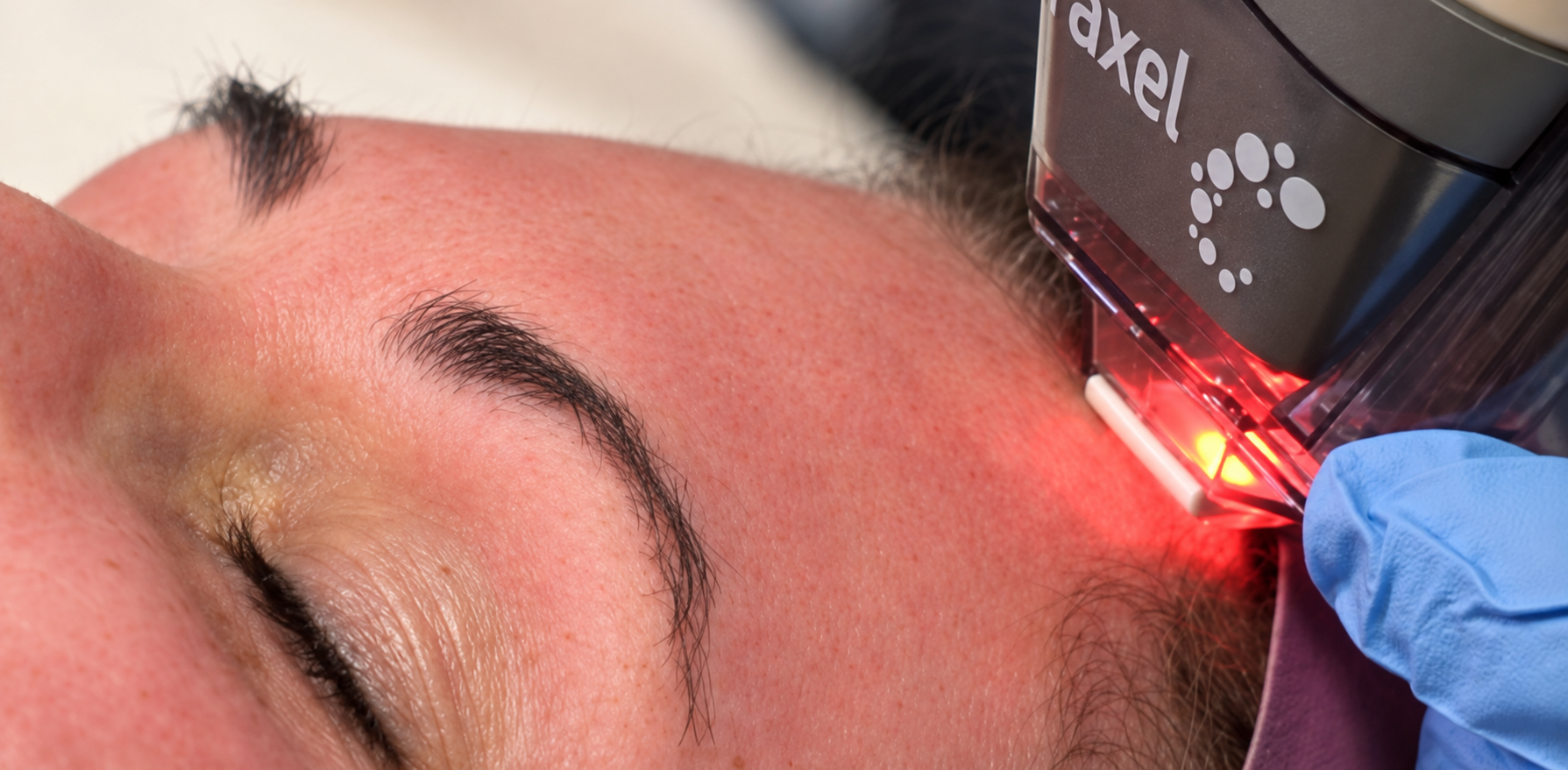
NightLase uses controlled laser energy to heat oral soft tissues, promoting collagen remodeling and tissue tightening. Treatment is performed in a series of office visits. The recommended schedule depends on your evaluation and treatment plan.
Can NightLase Help With Sleep Apnea?
Research has shown improvement in reported snoring after NightLase treatment in selected patients. A small randomized trial included people with primary snoring or mild obstructive sleep apnea and found better snoring scores than sham treatment.
However, the study’s size and short follow-up limit what it establishes about long-term outcomes and sleep apnea control. Reduced snoring does not confirm that sleep apnea has been adequately treated. NightLase should not be presented as a cure for sleep apnea or a replacement for prescribed CPAP without evaluation and follow-up testing.
What Should You Know Before Treatment?
A consultation should cover:
Whether sleep apnea testing is needed
Whether your anatomy and symptoms make you a suitable candidate
The proposed number of treatment sessions
Potential discomfort and side effects
Expected results and possible maintenance treatments
Results vary. Temporary throat discomfort or dryness can occur, and improvement is not guaranteed.
Talk With Allure Medical About Snoring and NightLase
If snoring is affecting your sleep or your partner’s rest, a consultation can help you understand whether NightLase may be appropriate.
Schedule a consultation with Allure Medical to discuss your symptoms, ask about NightLase, and determine whether further sleep evaluation is needed.
Frequently Asked Questions About Sleep Apnea and NightLase
Is snoring always a sign of sleep apnea?
No. Snoring can occur without sleep apnea. However, snoring accompanied by witnessed breathing pauses, gasping, or daytime sleepiness should be evaluated. A sleep study can help distinguish snoring from sleep apnea.
Can I have sleep apnea without being overweight?
Yes. Airway anatomy, age, family history, and other medical factors can contribute to sleep apnea. People without obesity can still develop the condition.
Can sleep apnea be diagnosed at home?
A clinician-ordered home sleep apnea test can diagnose obstructive sleep apnea in appropriate adults. Some patients need an in-lab study instead, particularly when a home test is negative or inconclusive despite ongoing concern.
What are the alternatives to CPAP?
Depending on your diagnosis, alternatives may include a custom oral appliance, positional therapy, weight management, surgery, or an implantable nerve stimulation device. Medication is also an option for certain adults with OSA and obesity. Your clinician can help compare suitable treatments.
Can NightLase replace my CPAP machine?
Do not stop prescribed CPAP because your snoring improves. NightLase research supporting snoring reduction does not establish that it provides equivalent control of sleep apnea. Discuss any treatment change with your sleep specialist; follow-up testing may be needed.
How many NightLase treatments will I need?
Fotona, the manufacturer, describes a series of three to five sessions. Your provider will recommend a schedule based on your evaluation. Additional or maintenance treatments may be discussed as needed.
Is NightLase painful?
Some patients experience warmth or discomfort during treatment. In a small clinical trial, treatment was performed without local anesthesia, and reported side effects were generally mild and temporary. Your provider should explain potential risks before treatment.
How long do NightLase results last?
Results vary, and long-term evidence remains limited. Some people may need additional treatment. Your provider can explain realistic expectations and how results will be assessed.