T-Shape 2: What to Know About Noninvasive Cellulite Treatment
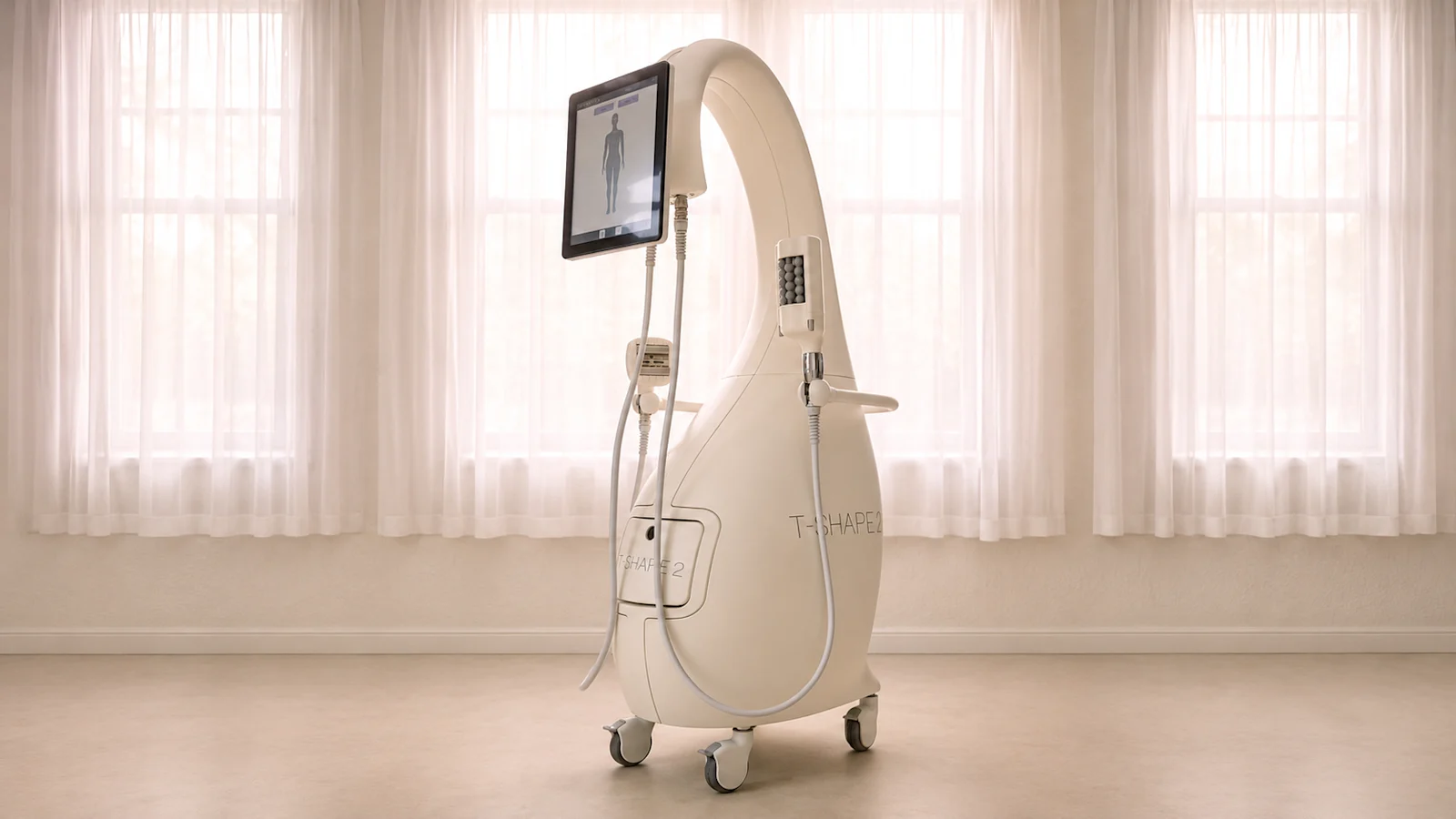
T-shape 2 applies energy and stimulation to help improve the appearance of cellulite without surgery.
T-Shape 2: What to Know About Noninvasive Cellulite Treatment
Revised on Oct. 15, 2026
When most people think about weight loss, they picture diets, workouts, and maybe a few popular medications. But at Allure, we see weight loss as much more than just dropping pounds – it’s a tool for regeneration and a key part of peak performance. And there’s more than one way to approach it.
Let’s get one thing straight: the foundation of any weight loss plan is what you do at home. Most people who come to us have already tried diet and exercise. Sometimes it works, sometimes it doesn’t. That’s where medical intervention steps in.
Over the last decade, I’ve been constantly searching for new ways to help people lose weight and, maybe, even cure obesity. We tried a little bit of everything, but then something big happened: the introduction of GLP-1 agonists – medications originally designed for type 2 diabetes.
These drugs, known as glucagon-like peptide-1 agonists, were first used to lower blood sugar in diabetics. But doctors started noticing something unexpected: patients were losing more weight than anticipated. Other diabetes medications like Metformin and SGLT2 inhibitors also help with weight loss, but GLP-1s were in a different league.
Researchers then ran studies on people without diabetes. Turns out, you don’t have to be diabetic for these medications to help with weight loss. That’s important, because even before someone qualifies as diabetic, excess weight is already causing damage – more cancer risk, more heart disease, even cognitive decline. (Alzheimer’s is now sometimes called “type 3 diabetes.”)
You might have heard of semaglutide (Ozempic, Wegovy) and tirzepatide (Mounjaro, Zepbound). Semaglutide came first, but it is expensive and requires a weekly injection. We wondered: Do you really need to take it all the time?
Here’s what we found: the body gets used to these drugs – a phenomenon called tachyphylaxis – so you need more for the same effect. Eventually, you hit a ceiling. The way the manufacturer designed it, you start at a low dose, increase every four weeks, and once you hit the highest dose, weight loss slows and then plateaus.
But what if you cycled the medication? We ran a 13-week program with our staff, most of whom were women. On average, they lost about 14% of their body weight – roughly 1% per week. After those 13 weeks, we stopped the medication and switched to Metformin, a diabetes drug that also helps with weight and increases GLP-1 levels. If someone felt like they needed a boost, they could do another short round of semaglutide.
At the one-year mark, everyone kept the weight off. We then expanded this to larger groups, alternating between cycles of semaglutide and drug-free periods. Each time, the weight loss was a little less dramatic, but we saw a steady step-down in weight – something you don’t get with continuous use. The best part? Using less medication saves money and reduces side effects.
Medical weight loss combines lifestyle changes with treatment supervised by a healthcare provider. At Allure, we view weight management as part of a broader approach to health and performance, with medication serving as one tool alongside healthy daily habits.
No. Certain medications, including Wegovy and Zepbound, are approved for weight management in people without diabetes who meet prescribing criteria. Your provider will consider your weight, medical history, and related health conditions to determine whether treatment is appropriate.
Semaglutide acts on GLP-1 receptors, while tirzepatide acts on both GLP-1 and GIP receptors. Both can help reduce appetite and food intake. Semaglutide is the active ingredient in Ozempic and Wegovy; tirzepatide is the active ingredient in Mounjaro and Zepbound. These brands have different approved uses and are not interchangeable without a prescription review.
Yes. Medication supports the work you do at home. Healthy eating, regular movement, and sustainable habits remain central to losing weight and maintaining your progress.
Results vary based on the medication, treatment duration, lifestyle, and individual response. The results described in this blog reflect Allure’s reported experience with a specific group and should not be considered a prediction or guarantee of your results.
This blog describes Allure’s experience with a cycling approach. That experience does not establish that cycling is safer or more effective than continuous treatment. Weight-management medications such as Wegovy and Zepbound are approved for long-term use, and any changes to treatment should be made with your prescribing provider.
Weight regain is common after stopping GLP-1 treatment. In a semaglutide study extension, participants regained approximately two-thirds of their prior weight loss within a year of stopping treatment. A maintenance plan and ongoing follow-up are important, whether you continue medication or discuss another approach with your provider.
Metformin is primarily a diabetes medication. It may support modest weight loss in some people, but it is not FDA-approved specifically for weight loss. Using it for weight management is an off-label approach, and it should not be assumed to prevent weight regain after stopping semaglutide.
Common side effects of these treatments include nausea, vomiting, diarrhea, constipation, and abdominal discomfort. Serious risks and suitability vary by medication and medical history. Your provider should review those risks, potential interactions, and monitoring needs before treatment begins.
Start with a consultation to discuss your health history, previous weight-loss efforts, and goals. Together, you and your provider can determine whether medical treatment fits your needs and discuss a plan for both weight loss and maintenance.
T-shape 2 applies energy and stimulation to help improve the appearance of cellulite without surgery.
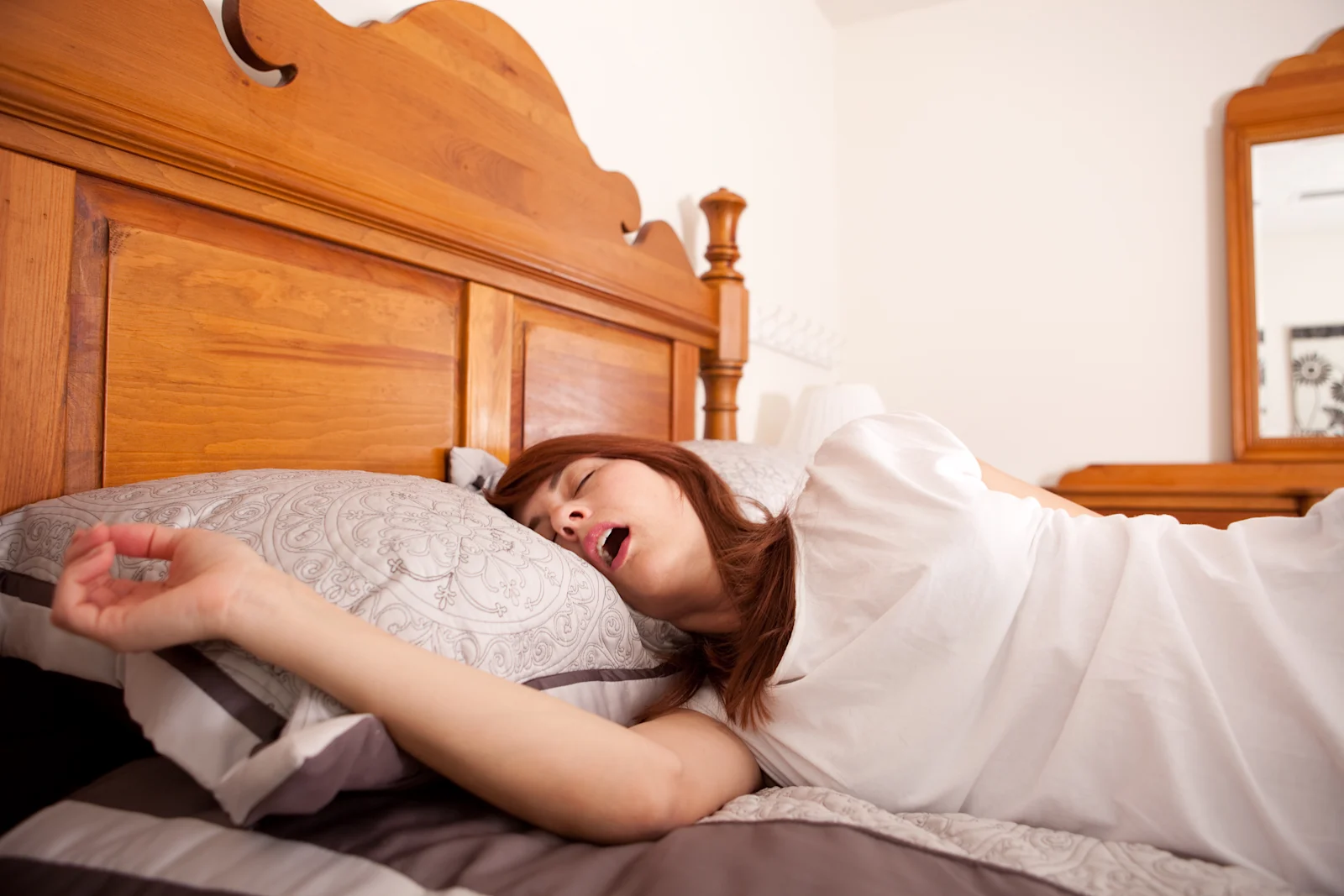
T-Shape 2: What to Know About Noninvasive Cellulite TreatmentAllure Medical offers NightLase®, a non-surgical laser treatment designed to address snoring in appropriate candidates. NightLase® uses controlled laser energy to heat oral soft tissues, promoting collagen remodeling and tissue tightening. Treatment is performed in a series of office visits. The recommended schedule depends on your evaluation and treatment plan.
Sleep Apnea: Symptoms, Causes, and Treatment Options with NightLase®An effective anti-aging skincare routine doesn’t need a shelf full of products. The goal is to choose ingredients that address your concerns, suit your skin, and fit into a routine you can maintain.
A Simple Anti-Aging Skincare Routine for Healthier-Looking Skin