What can you do after Botox® injections? How quickly will results appear? And how long does Botox last?
These are common questions for people considering cosmetic injectables. Although Botox has been used for decades, advice about treatment and recovery can still be confusing.
Understanding Botox® aftercare, realistic timelines, and individualized dosing can help you make informed decisions. At Allure Medical, the starting point is a consultation about your goals, medical history, and treatment options.
What Is Botox®, and How Does It Work?
Botox® is the brand name for onabotulinumtoxinA, a prescription injectable that temporarily reduces activity in targeted muscles.
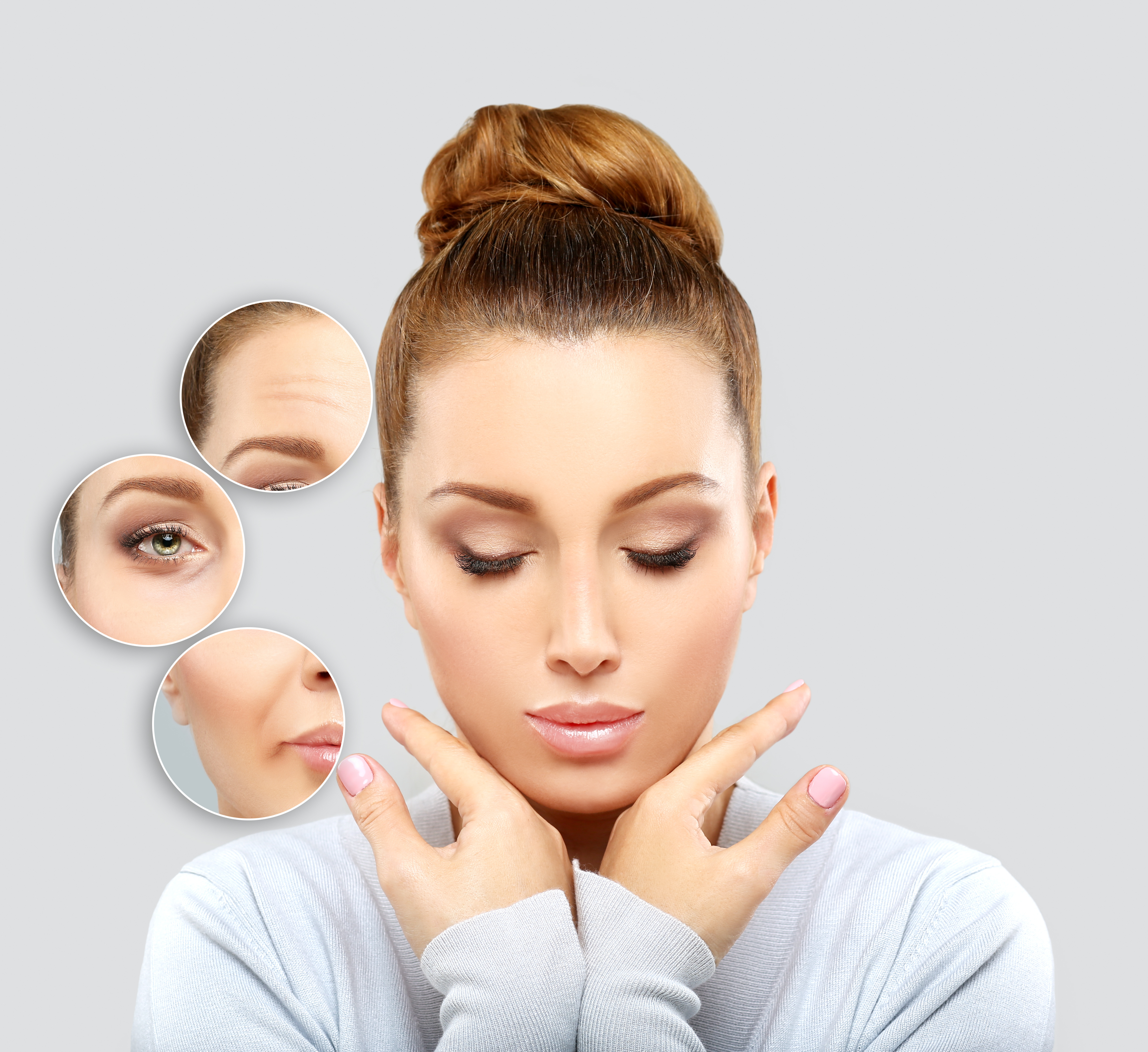
It works by inhibiting the release of acetylcholine, a chemical messenger involved in muscle contraction. Reducing specific muscle activity can soften the appearance of expression-related lines, including frown lines, forehead lines, and crow’s feet.
Botox® is different from dermal filler. Rather than adding volume, it reduces the muscle activity contributing to certain wrinkles. Your provider can explain which approach fits the concern you want to address.
A Brief History of Botox® FDA Approval
Botox’s medical history predates its cosmetic popularity. Botulinum toxin type A received FDA approval in 1989 for certain eye-muscle conditions, including strabismus and blepharospasm.
In 2002, the FDA approved Botox® Cosmetic for temporarily improving moderate to severe frown lines between the eyebrows. Additional cosmetic indications followed.
This history reflects extensive medical use, but it does not mean treatment is appropriate for everyone. Product selection, dosing, injection technique, and patient assessment remain important.
What to Do After Botox® Injections
Most people can return to everyday activities after treatment. However, minimal downtime does not mean there are no Botox® aftercare precautions.
The American Academy of Dermatology recommends avoiding rubbing or massaging the injection sites and waiting at least two hours before strenuous physical activity. Your injector may give additional instructions based on your treatment.
Before leaving your appointment, ask for clear guidance about exercise, skincare, makeup, and any activities you have planned.
Can You Massage Your Face After Botox®?
Avoid rubbing, pressing, or massaging the treated areas unless your treating clinician specifically directs you otherwise.
Massage should not be promoted as a way to improve Botox® absorption or results. When applying makeup, use a gentle touch rather than pressing or rubbing it into the injection sites.
Can You Exercise After Botox®?
Light daily activities and strenuous workouts are different. The American Academy of Dermatology advises waiting at least two hours before activities that significantly raise your heart rate, including working out and heavy lifting.
Follow your injector’s instructions if they recommend a longer interval. Exercise immediately after treatment should not be presented as a proven way to make Botox work better.
Can You Lie Down After Botox®?
Ask your provider for their specific instructions. Some clinical aftercare guidance recommends remaining upright for several hours after treatment.
Avoid replacing your provider’s advice with blanket claims that lying down, pressure, or every other activity is immediately unrestricted.
What About Saunas, Hot Yoga, or Heat?
Do not use heat as a strategy to increase Botox® absorption. Ask your injector when to resume saunas, hot yoga, and other heat-intensive activities, particularly if you also have swelling or bruising.
A simple, personalized aftercare plan is more useful than trying to manipulate how quickly the medication takes effect.
When Does Botox® Start Working?
Botox® results develop gradually rather than appearing immediately.
For forehead lines, frown lines, and crow’s feet, the manufacturer reports that changes may begin within one to two days, with full results described at 30 days. Individual experiences vary.
Your provider may schedule an earlier follow-up to evaluate your response. Avoid judging the final outcome immediately after treatment or seeking additional injections before your clinician has assessed the developing effect.
How Long Does Botox® Last?
For commonly treated upper-face lines, Botox® Cosmetic results may last up to four months. Treatment is temporary, and duration varies between patients.
The manufacturer recommends spacing treatments at least 90 days apart. Your maintenance schedule should reflect your response and your provider’s assessment rather than a promise that every treatment will last exactly four months.
How Many Units of Botox® Do You Need?
There is no single dose that is optimal for every person or every treatment area.
For context, labeled Botox Cosmetic doses include:
Treatment area | Labeled total dose |
|---|
Frown lines between the eyebrows | 20 units |
Crow’s feet, both sides combined | 24 units |
Forehead lines together with frown lines | 40 units |
These are product-specific prescribing recommendations, not a personal dosing assessment. Botox units also cannot be directly compared with units of other botulinum toxin products.
A claim that “most patients need 50–60 units for four months” overlooks the treatment area and individual circumstances. Your provider should explain the recommended plan and the results it is intended to achieve.
Can Botox® Become Less Effective Over Time?
Reduced response can have more than one explanation. It should not automatically be attributed to antibodies.
Neutralizing antibodies can develop and may reduce effectiveness. Prescribing information advises using the lowest effective dose at the longest feasible intervals to help minimize this potential.
If your results seem different from previous treatments, ask your provider to review your treatment history before changing your dose or appointment frequency.
Botox® Safety: What Should You Discuss Before Treatment?
Tell your provider about your medical conditions, medications, previous botulinum toxin treatments, and any past reactions.
Possible adverse effects include headache, eyelid or brow drooping, and swelling around the eyes, depending on the treatment area. Botox® also carries a boxed warning about the potential spread of toxin effects. Seek immediate medical attention for difficulty breathing, swallowing, or speaking after treatment.
Choosing a qualified provider and receiving an individualized assessment are essential parts of treatment planning.
Explore Botox® Treatment at Allure Medical
Good Botox treatment begins with realistic goals and a clear understanding of the procedure.
Schedule a consultation at Allure Medical to discuss your concerns, review appropriate treatment options, and receive personalized guidance about dosing, expected results, and aftercare.
For more discussion, listen to Dr. Mok on Inside the Cure: “Botox: Common Misconceptions”.