T-Shape 2: What to Know About Noninvasive Cellulite Treatment
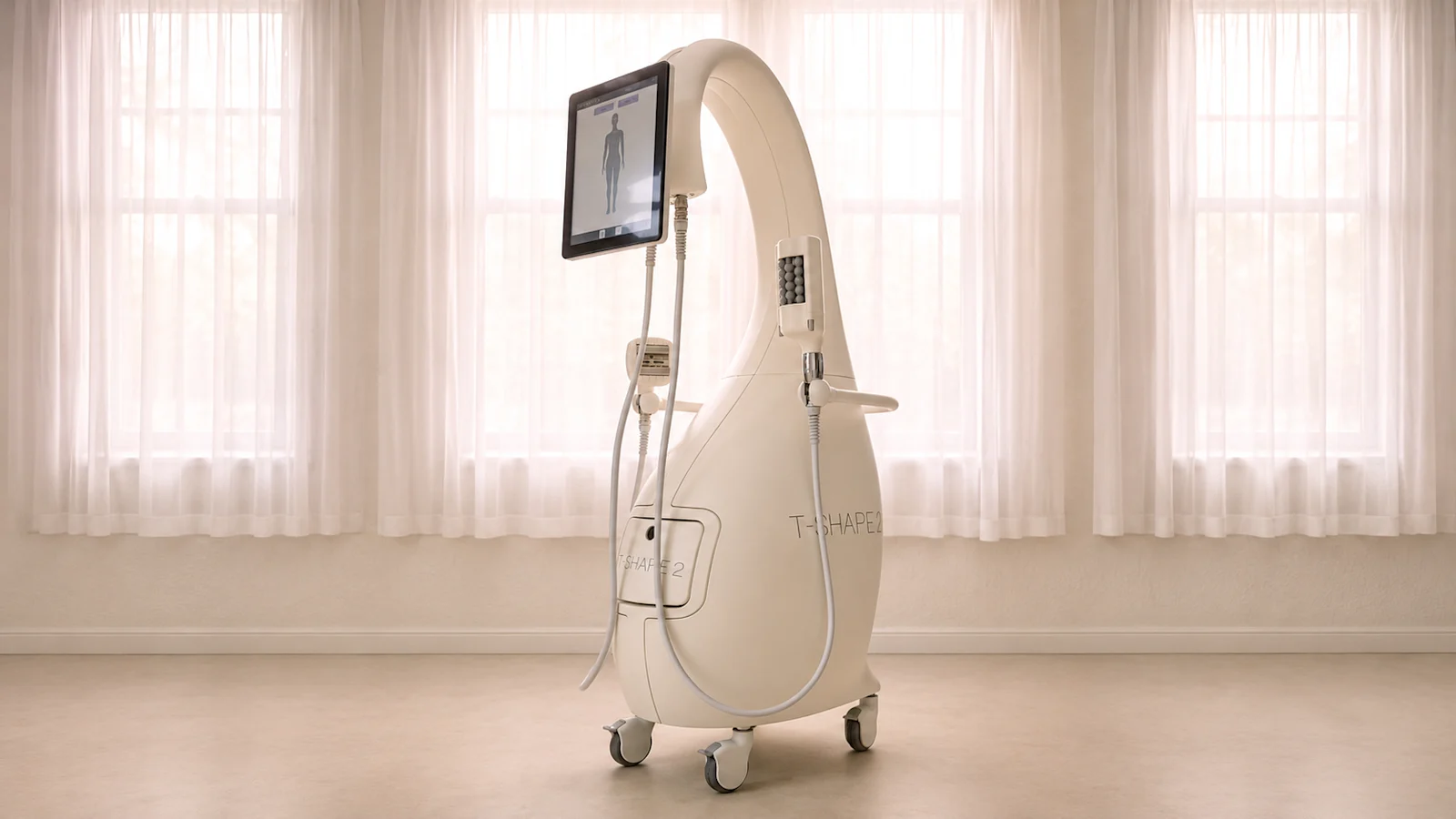
T-shape 2 applies energy and stimulation to help improve the appearance of cellulite without surgery.
T-Shape 2: What to Know About Noninvasive Cellulite Treatment
Revised on Oct. 18, 2026
A widening part, a thinner ponytail, or more visible scalp can leave you wondering whether changing hormones are affecting your hair. If these changes happen during perimenopause or menopause, you may ask: Does HRT help with hair loss?
The answer requires some nuance. Hormones can influence hair growth, but evidence that menopausal hormone replacement therapy reliably treats hair loss is limited. HRT should not be started solely to regrow hair. Instead, treatment begins with identifying why your hair is thinning and whether you also have menopause symptoms that warrant hormone therapy.
At Allure Medical, an individualized evaluation can help you understand where hormone care may fit—and when a separate hair-loss assessment is needed.
Many women notice changes in hair density around menopause. A widening part or gradual thinning across the scalp may be an early sign.
Hormonal changes can play a role, but they are not the only explanation. Genetics, aging, illness, nutritional deficiencies, medications, and scalp conditions can also contribute. More than one cause may be present at the same time.
This matters because menopause hair loss is not a single diagnosis. A treatment that helps hereditary thinning may not address shedding after an illness or hair loss caused by scalp inflammation.
Estrogen influences hair-follicle biology, which has prompted research into whether replacing estrogen after menopause could improve hair growth.
However, direct clinical evidence remains limited. A small pilot study evaluated only 11 women receiving HRT over six months. Research of that size cannot establish that hormone therapy consistently restores hair density or predict who will benefit.
If you are considering HRT for hair loss, separate two questions:
Do your menopause symptoms and medical history make hormone therapy appropriate?
What is causing your hair loss, and which treatment best addresses it?
HRT may belong in your broader menopause care plan, but it should not replace a diagnosis or be presented as a guaranteed hair-regrowth treatment.
Menopausal hormone therapy is primarily used to treat symptoms such as bothersome hot flashes, night sweats, and vaginal symptoms. Certain regimens also help protect against bone loss.
Whether it is appropriate depends on your symptoms, age, medical history, treatment preferences, and individual benefits and risks.
Hair concerns are worth discussing during that assessment. However, thinning hair alone does not establish an estrogen deficiency that needs treatment, and increasing hormone doses is not a substitute for evaluating the scalp.
A clinician may consider several possibilities when evaluating thinning or shedding:
Female pattern hair loss often develops gradually. You may notice a widening part or reduced density over the top of the scalp. It can become more noticeable around menopause and generally requires ongoing management.
Illness, surgery, childbirth, significant weight loss, and other physical stressors can trigger increased shedding. In some cases, hair regrows as the underlying trigger resolves.
A suspected deficiency, thyroid condition, medication effect, or other health problem may lead your provider to recommend targeted testing.
Patchy loss, scalp discomfort, or changes around the hairline may require a dermatologist’s assessment. Some conditions need timely treatment to limit further loss.
The goal is to identify the cause before choosing a treatment.
The right hair-loss treatment for women depends on the diagnosis, health history, and reproductive plans.
Topical minoxidil is an established treatment for female pattern hair loss. Certain 2% and 5% formulations are FDA-approved for this purpose.
It requires consistent use and patience. The American Academy of Dermatology advises allowing approximately six to 12 months to assess how well it works. Continued use is generally needed to maintain its benefits.
For selected patients, a dermatologist may consider prescription options such as spironolactone. Suitability depends on the cause of thinning, other medications, and pregnancy considerations.
Correcting a confirmed deficiency or treating a scalp condition may be more useful than adding hormone therapy. Supplements should be chosen based on an identified need rather than an assumption that more vitamins will produce more hair.
There is no proven HRT hair-regrowth timeline. Improvement in hot flashes or sleep does not establish that hair density will improve on the same schedule.
Hair changes develop slowly, and expectations should be tied to the diagnosed condition and specific treatment. Your provider can explain when to assess shedding, stabilization, or visible regrowth.
Consistent photographs can help document progress. Use similar lighting, hairstyle, and part placement so comparisons are more meaningful.
Tell your prescribing provider if you notice increased shedding after starting or changing treatment. Timing is useful information, but it does not prove that HRT caused the change.
HRT may influence hair growth, but evidence that it reliably reverses menopause-related hair loss is limited. A small study involving 11 women found changes in some hair measurements after treatment, but its size and lack of a control group prevent firm conclusions. HRT should not be started solely to treat thinning hair.
No HRT formulation has been established as the best treatment for hair loss. If hormone therapy is appropriate for your menopause symptoms, your provider can recommend a regimen based on your health history and individual risks. Hair thinning should be evaluated separately so treatment addresses its underlying cause.
There is no proven timeline for hair regrowth with HRT. Improvements in hot flashes, sleep, or other menopause symptoms do not guarantee changes in hair density. Expectations should be based on your hair-loss diagnosis and the treatment prescribed for it.
It depends on the cause. Some types of shedding can improve after the underlying trigger resolves. Female pattern hair loss generally requires ongoing treatment to help maintain density. A dermatologist can distinguish between these conditions and explain what improvement is realistic.
Higher doses of testosterone can contribute to scalp hair thinning, along with effects such as acne or increased facial hair. If you notice hair changes while using testosterone, tell your prescribing clinician. Do not increase, stop, or change your treatment without discussing it with your provider.
Topical minoxidil is an established treatment for female pattern hair loss, including thinning that becomes noticeable around menopause. Certain 2% and 5% formulations are FDA-approved for women. It is not appropriate for every cause of hair loss, so getting a diagnosis first can help you choose treatment.
The American Academy of Dermatology recommends allowing approximately six to 12 months of consistent use to assess results. Temporary increased shedding may occur during the first few weeks. Continued use is generally needed to maintain the benefits.
Supplements are most useful when they address an identified deficiency. Taking extra biotin, iron, or zinc when levels are adequate is unlikely to solve the underlying problem and may be harmful. Ask your provider whether your symptoms or medical history warrant testing before starting supplements.
A dermatologist can evaluate your scalp and diagnose the type of hair loss. A clinician experienced in menopause care can assess whether other symptoms make HRT appropriate. Some women benefit from both evaluations because hormone care and hair-loss treatment address different needs.
An individualized consultation at Allure Medical can help you discuss hair changes alongside other menopause concerns. Your provider can review your symptoms and medical history, explain where hormone therapy may fit, and recommend a separate hair-loss assessment when needed.
T-shape 2 applies energy and stimulation to help improve the appearance of cellulite without surgery.
T-Shape 2: What to Know About Noninvasive Cellulite TreatmentAllure Medical offers NightLase®, a non-surgical laser treatment designed to address snoring in appropriate candidates. NightLase® uses controlled laser energy to heat oral soft tissues, promoting collagen remodeling and tissue tightening. Treatment is performed in a series of office visits. The recommended schedule depends on your evaluation and treatment plan.
Sleep Apnea: Symptoms, Causes, and Treatment Options with NightLase®When most people think about weight loss, they picture diets, workouts, and maybe a few popular medications. But at Allure, we see weight loss as much more than just dropping pounds – it’s a tool for regeneration and a key part of peak performance.
Medical Weight Loss: More Than One Way to Success