

T-Shape 2: What to Know About Noninvasive Cellulite Treatment
T-shape 2 applies energy and stimulation to help improve the appearance of cellulite without surgery.
T-Shape 2: What to Know About Noninvasive Cellulite Treatment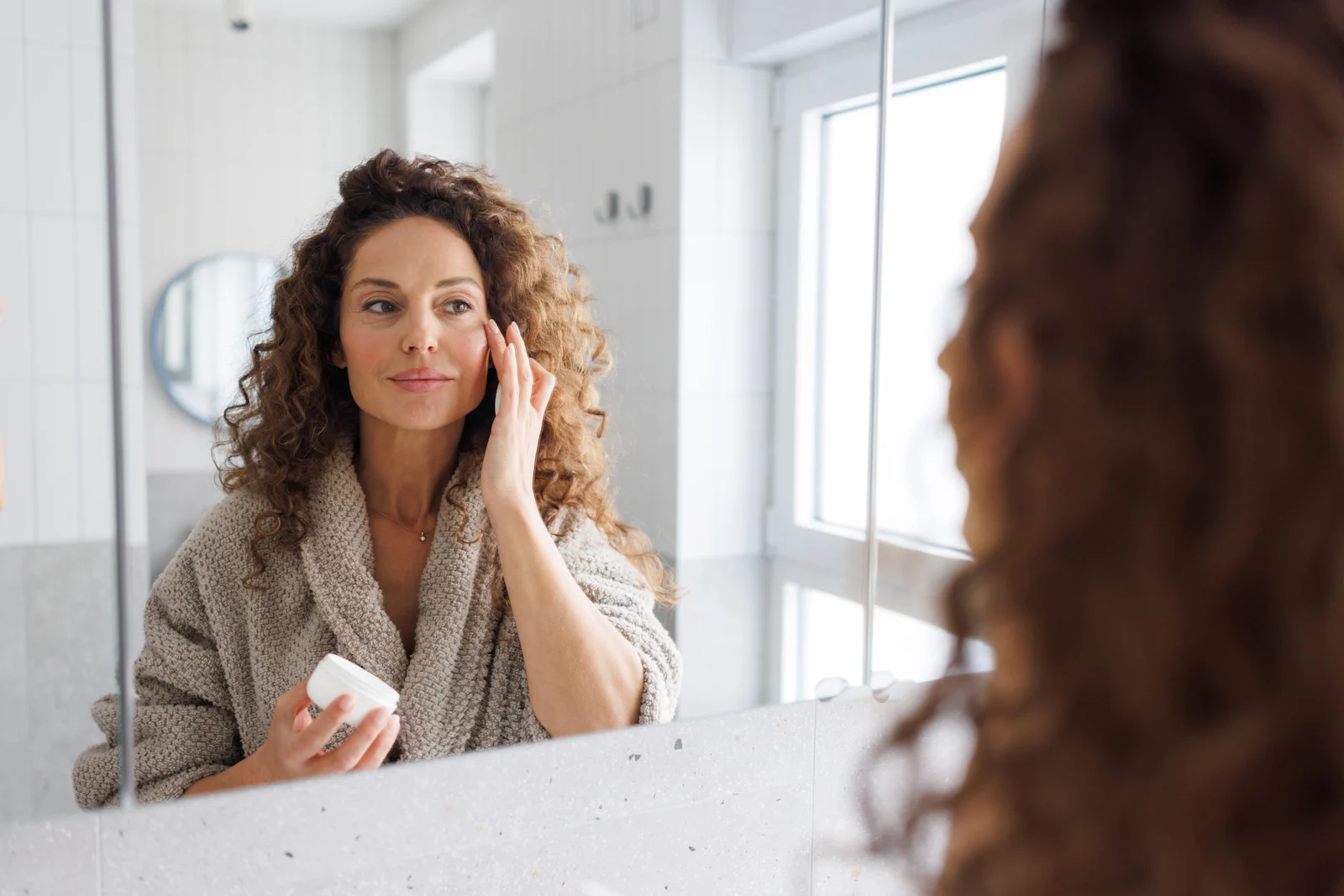
An effective anti-aging skincare routine doesn’t need a shelf full of products. The goal is to choose ingredients that address your concerns, suit your skin, and fit into a routine you can maintain.
Whether you’re noticing fine lines, uneven skin tone, or changes in texture, start with the basics: gentle cleansing, moisturizer, and sun protection. Then consider targeted products, such as vitamin C serum or retinol, based on your individual needs.
At Allure Medical, we help you understand your options and build a personalized approach to skincare.
Before adding specialized serums, make sure your daily essentials are in place. Sunscreen and moisturizer are foundational anti-aging skincare products.
Choose a broad-spectrum, water-resistant sunscreen with SPF 30 or higher. Apply it before going outdoors and reapply every two hours while outside, as well as after swimming or sweating. Protective clothing and shade provide additional protection.
A moisturizer helps reduce dryness and soften the appearance of fine lines. Choose a formula suited to your skin type; a richer product isn’t automatically the right choice for everyone.
Vitamin C is a popular ingredient for people concerned about dark spots and visible signs of aging. A vitamin C serum or cream can help improve the appearance of uneven skin tone as part of a consistent skincare routine.
Apply vitamin C in the morning after cleansing and before sunscreen. It complements your routine but does not replace sun protection.
If you’re considering Radiant C, ask the Allure Medical team how its formulation fits your skin’s needs and the other products you use.
Retinol is a vitamin A derivative in the retinoid family. It is commonly used to improve the appearance of fine lines, uneven pigmentation, and skin texture.
Introduce retinol gradually. Starting with a less intensive formula and using it every other night—or less frequently if your clinician recommends—can help limit irritation. Increase use only as your skin tolerates it.
Dryness, redness, or peeling may mean your routine needs adjustment. People with sensitive skin should seek guidance before starting, and retinoids should not be used during pregnancy.
Glycolic acid is an alpha hydroxy acid, or AHA, that exfoliates the skin’s surface. Products containing glycolic acid may help improve the appearance of rough texture and uneven tone.
However, a glycolic acid cleanser isn’t necessary for everyone. Its effects depend on the concentration, formulation, and how often you use it.
Glycolic acid can increase sensitivity to sunlight. It does not provide sun protection. Follow the product directions, use sunscreen, and limit sun exposure while using an AHA product and for a week afterward.
If you already use retinol, ask your provider how to introduce exfoliation without overcomplicating your routine.
Once your basic routine is established, consider whether you need additional products for specific concerns.
If you’re interested in Face Silk, Eye Rescue, or Eventone Serum, bring these questions to your consultation:
Face Silk: Is this moisturizer appropriate for my skin type and current routine?
Eye Rescue: Is this formula suitable for my eye area and the concern I want to address?
Eventone Serum: Is this a suitable option for my uneven skin tone, and how should I use it?
Product names alone don’t tell you whether a formula is right for your skin. Review the current ingredients, directions, and expected results with your provider.
Use this simple framework as a starting point, then adjust it to your product instructions and clinician’s recommendations.
Morning routine:
Cleanse gently.
Apply vitamin C if it is part of your plan.
Apply moisturizer as needed.
Finish with broad-spectrum SPF 30 or higher sunscreen.
Evening routine:
Cleanse to remove makeup and daily buildup.
Use retinol on your recommended schedule.
Apply moisturizer, adjusting the order if your provider recommends it for sensitive skin.
Vitamin C is commonly used in the morning, while retinoids are generally used at bedtime. The right combination depends on your skin’s response.
Start with sunscreen and moisturizer. Additional products should address a specific concern rather than add unnecessary steps.
They can be part of the same overall routine. A common approach is vitamin C in the morning and retinol at night, with the schedule adjusted to your skin’s tolerance.
Begin by identifying the concern you want to address. Bring your current products to a consultation so your provider can review their ingredients and recommend a manageable plan.
Choosing skincare shouldn’t feel like guesswork. Whether you’re building your first routine or reassessing products you already use, Allure Medical can help you explore options for your skin type and goals.
Contact Allure Medical to schedule a personalized skincare consultation.
For more discussion, listen to Inside the Cure with Dr. Mok: Skin Care Topicals—Best Products to Use.
T-shape 2 applies energy and stimulation to help improve the appearance of cellulite without surgery.
T-Shape 2: What to Know About Noninvasive Cellulite TreatmentAllure Medical offers NightLase®, a non-surgical laser treatment designed to address snoring in appropriate candidates. NightLase® uses controlled laser energy to heat oral soft tissues, promoting collagen remodeling and tissue tightening. Treatment is performed in a series of office visits. The recommended schedule depends on your evaluation and treatment plan.
Sleep Apnea: Symptoms, Causes, and Treatment Options with NightLase®When most people think about weight loss, they picture diets, workouts, and maybe a few popular medications. But at Allure, we see weight loss as much more than just dropping pounds – it’s a tool for regeneration and a key part of peak performance.
Medical Weight Loss: More Than One Way to Success