
Hair Removal
Smooth, Hair-Free Confidence
Lasting laser hair removal for silky, razor-free skin.

Kiss the Razor Goodbye
Embrace smooth confidence with Allure Medical's laser hair removal. Experience the transformation: silky skin, lasting results, and total body freedom — no more razors, no more daily upkeep.
Schedule a consultation to learn how laser hair removal can give you smooth, carefree skin.
Less Shaving. More Time for You.
Keeping up with unwanted hair can mean frequent shaving, recurring waxing appointments, and a routine that never feels finished. Laser hair removal offers an option for longer-lasting hair reduction.
At Allure Medical in Livonia, your consultation starts with your goals. Whether you’re exploring treatment for a small facial area or a larger body area, an individualized assessment helps determine whether laser hair removal fits your skin, hair, and expectations.
How Does Laser Hair Removal Work?
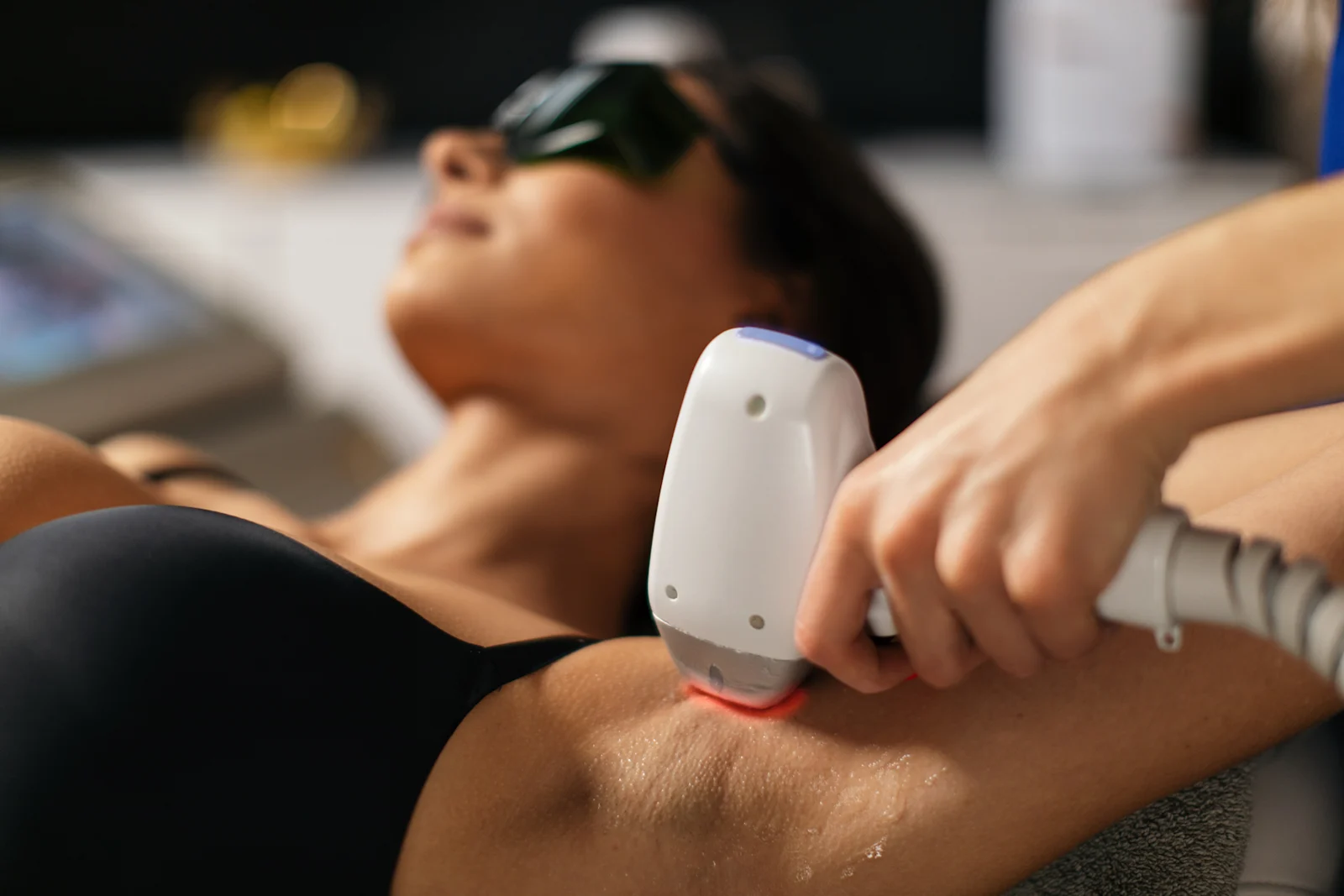
Laser hair removal uses concentrated light to target pigment in unwanted hair. The resulting heat damages the follicles and helps reduce future growth. Because hairs grow in different stages, one appointment cannot treat every follicle effectively. A series of treatments allows your provider to target additional hairs as they enter a suitable growth phase. The goal is lasting hair reduction. Some hair may return, and maintenance treatments may be needed.
Laser hair removal can address unwanted hair on many facial and body areas, including:
Upper lip and chin
Underarms
Arms and legs
Bikini line
Back and chest
Neck and shoulders
Tell your provider which areas you want to treat. They can confirm suitability and availability, explain what each appointment involves, and help you prioritize your treatment plan.
A Treatment Plan Built Around Your Skin and Hair
Hair color, thickness, skin tone, and the treatment area all influence your options. Your provider should also review medications, recent tanning, previous treatments, and any history of skin reactions or scarring.
Use your consultation to ask:
What results are realistic for my hair and skin?
How many appointments might I need?
What experience do you have treating my skin tone?
What preparation and aftercare should I follow?
What is included in my treatment estimate?
Understanding the full plan before starting helps you make an informed decision.

Preparing for Laser Hair Removal
Follow your provider’s specific instructions before each appointment. Preparation commonly includes protecting your skin from the sun, avoiding tanning products, and pausing waxing or plucking.
Your provider may ask you to shave the area before treatment. Shaving leaves the follicle in place, while waxing and plucking remove the hair the laser needs to target.
Share your current medications and skincare products with your care team. Ask before changing prescribed medication or using active skincare products around treatment.
Frequently Asked Questions
Can laser hair removal work on darker skin tones?
It can be an option when the equipment, settings, and treatment approach are appropriate. An experienced provider should assess your skin tone and explain your individual risks before recommending treatment.
Can I shave between appointments?
Shaving is generally compatible with a laser hair removal plan once any irritation has settled. Follow your provider’s instructions about timing. Avoid waxing, plucking, or other methods that remove hair from the root unless your provider advises otherwise.
Is there downtime after treatment?
Most people can resume everyday activities soon afterward. Temporary redness, swelling, or sensitivity can occur. Your provider will explain sun protection, skincare, and any short-term restrictions.
What are the possible side effects?
Temporary irritation is common. Less common complications include burns, blistering, pigment changes, and scarring. Proper treatment selection and following preparation and aftercare instructions help reduce risk.